French Interior Design Ideas: Effortless Elegance for Your Home
French interior design has long been admired for its effortless blend of elegance, comfort, and timeless appeal. Whether you dream of a rustic farmhouse in Provence or a chic Parisian apartment, incorporating French design elements can transform your home into a sanctuary of style and tranquility. In this article, we explore a variety of French interior design ideas that capture the essence of la belle vie—the beautiful life. From color palettes and furniture choices to decorative accents, you’ll find inspiration to infuse your space with French charm.
1. Embrace a Neutral Color Palette with Pops of Color
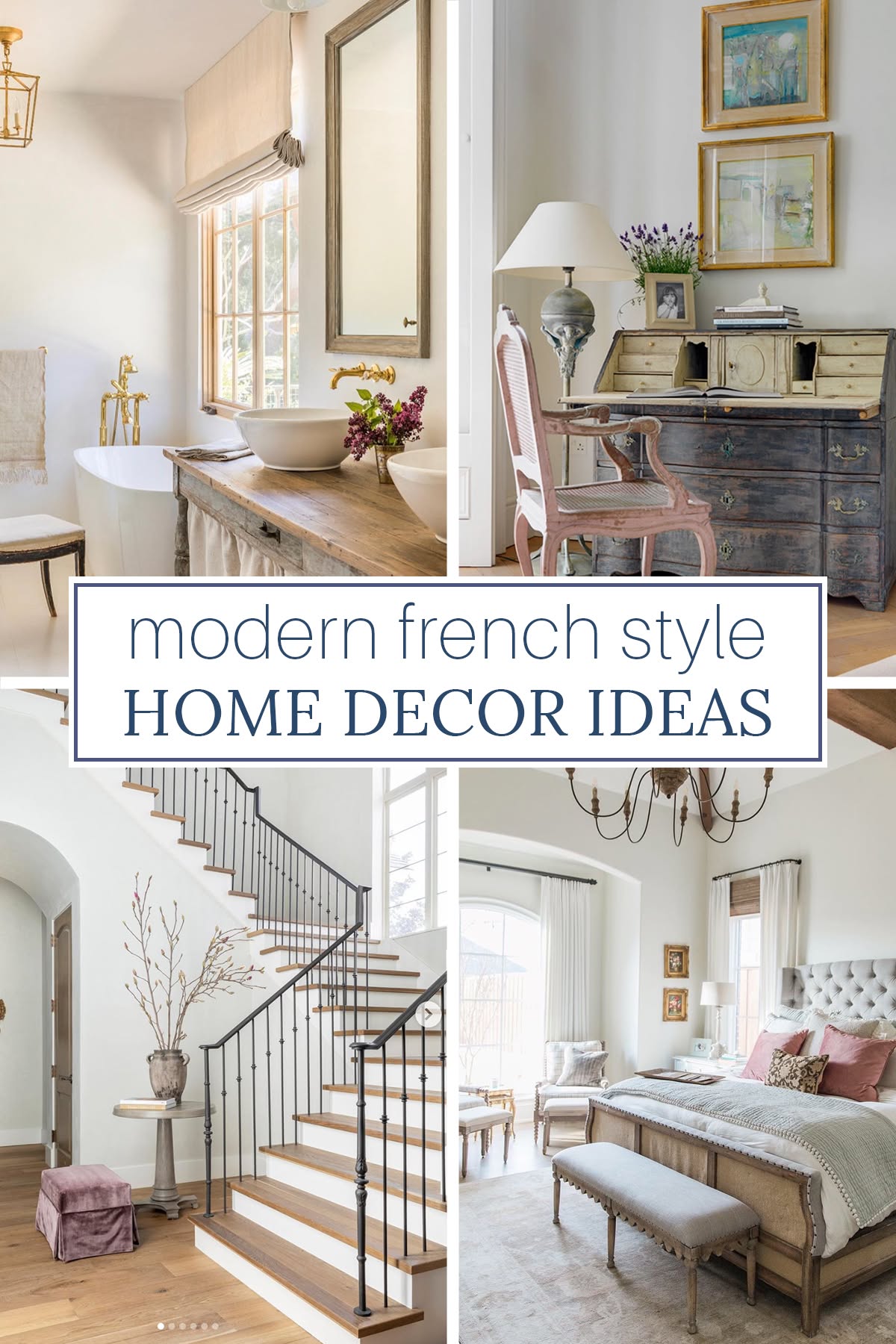
French interiors are known for their soft, subdued color schemes. Think creamy whites, warm beiges, soft grays, and gentle pastels. These neutrals create a calm, airy backdrop that makes rooms feel larger and more serene. To add interest, incorporate pops of color through accessories like throw pillows, artwork, or fresh flowers. Classic French colors include lavender, pale blue, sage green, and muted yellow. Avoid bold, saturated hues; instead, opt for faded, vintage-inspired tones that evoke a sense of history and romance.
2. Invest in Quality, Timeless Furniture
French furniture is characterized by graceful curves, intricate carvings, and a sense of understated luxury. Look for pieces with cabriole legs, tufted upholstery, and distressed finishes. A weathered wooden farmhouse table, a Louis XVI-style armchair, or a carved armoire can serve as focal points. Mix antique or vintage finds with modern pieces for an eclectic yet cohesive look. The key is to prioritize quality and craftsmanship over trends—French design favors pieces that last for generations.
3. Layer Textures for Warmth and Depth
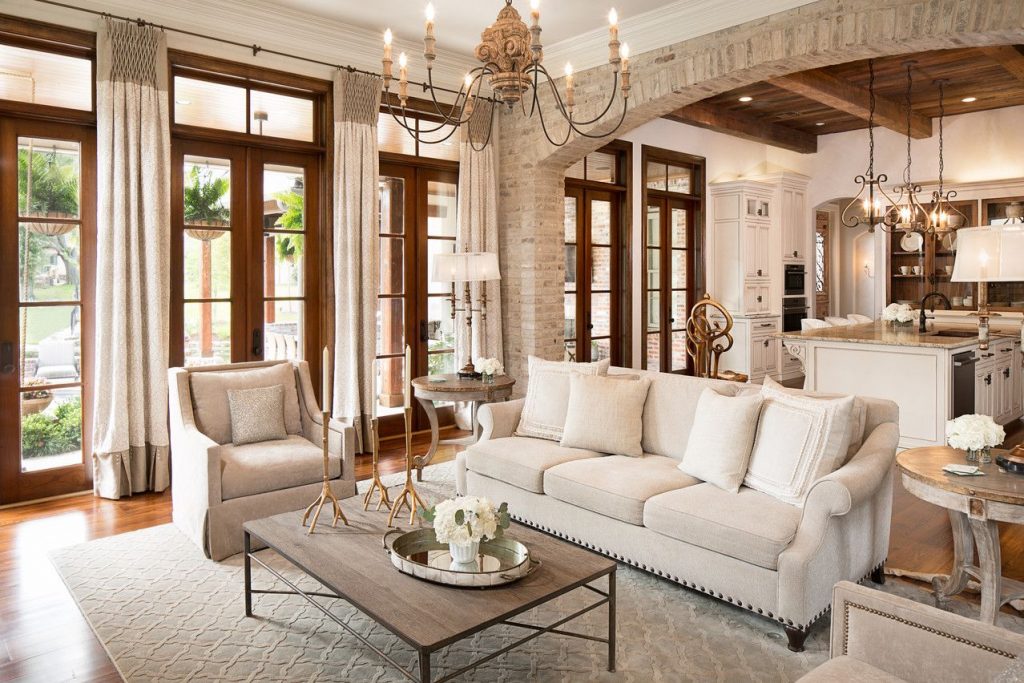
Texture plays a crucial role in French interiors. Combine smooth surfaces like polished wood or marble with tactile elements such as linen, velvet, wool, and sisal. Layer rugs over hardwood floors, drape linen curtains, and pile on plush cushions. The contrast between rough and soft, shiny and matte adds visual richness and makes spaces feel inviting. Don’t forget natural materials like stone and wrought iron, which bring a rustic, organic feel.
4. Incorporate Statement Lighting
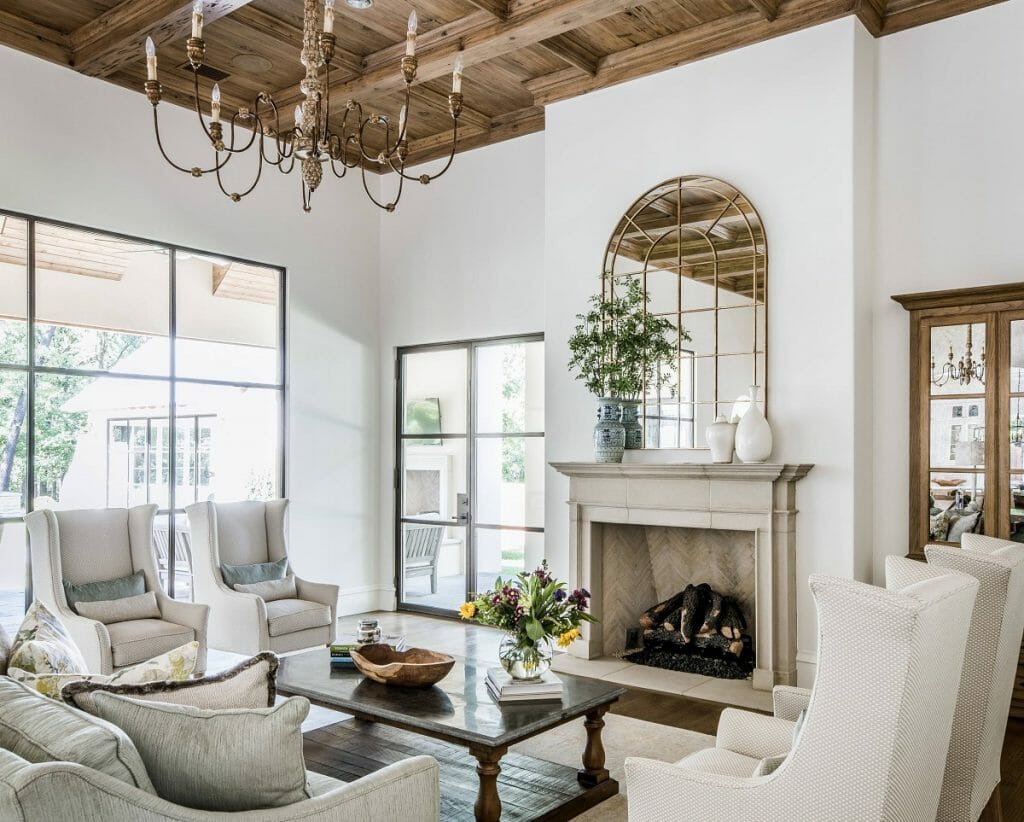
Lighting in French design is both functional and ornamental. Chandeliers, whether crystal, wrought iron, or wood, are iconic. A chandelier in the dining room or entryway instantly adds elegance. For a more casual look, consider a lantern-style pendant or a classic table lamp with a silk shade. Use sconces to highlight artwork or architectural details. The goal is to create a warm, diffused glow that flatters the space and evokes a cozy atmosphere.
5. Add Natural Elements and Florals
French homes are deeply connected to nature. Bring the outdoors in with fresh flowers, potted herbs, or branches in a vase. Lavender, roses, and sunflowers are classic choices. Incorporate dried flowers or botanical prints for a low-maintenance option. Natural stone floors, wooden beams, and exposed brick also contribute to an earthy feel. A bowl of seasonal fruit or a collection of seashells can add a personal touch. The aim is to create a space that feels lived-in and connected to the natural world.
6. Focus on the Art of Display
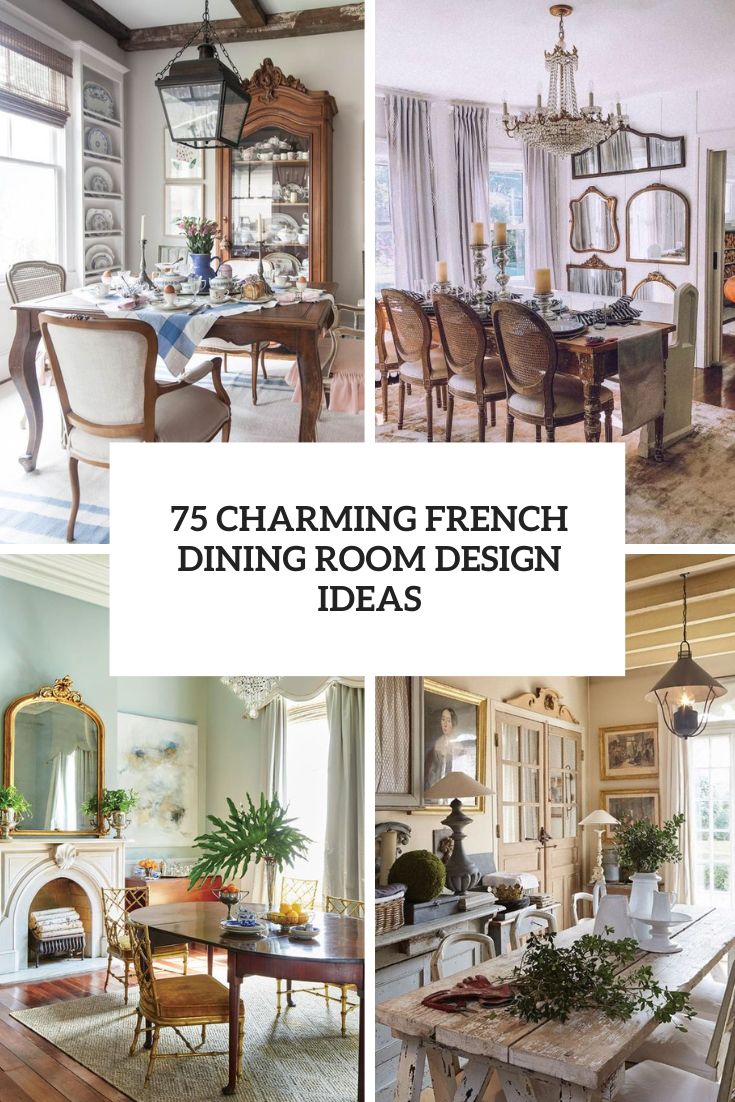
French interior design celebrates the art of display. Style your shelves with a mix of books, ceramics, and personal treasures. A curated gallery wall with black-and-white photos, vintage maps, or oil paintings adds character. Use a mantelpiece to showcase a clock, candlesticks, or a mirror. The principle is to display items that have meaning and history, avoiding clutter. Groups of three or odd numbers are aesthetically pleasing. Always leave some empty space to let the eye rest.
7. Create a Cozy, Lived-in Atmosphere
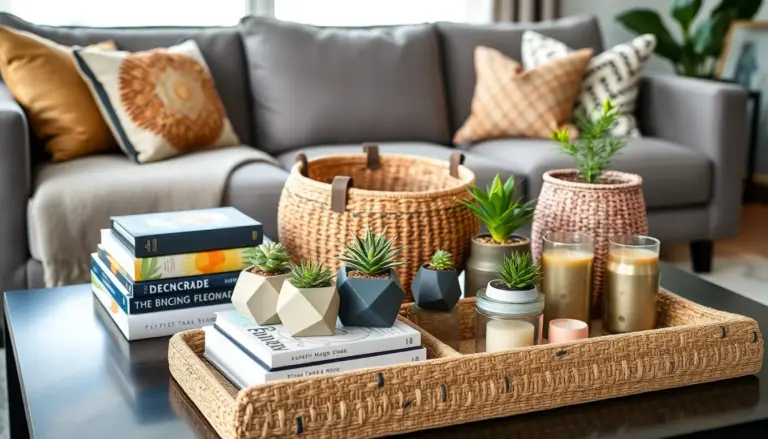
The ultimate goal of French interior design is to create a home that feels comfortable and welcoming. This means prioritizing soft seating, warm textiles, and intimate layouts. Arrange furniture to encourage conversation—a sofa facing armchairs, a bench by the window. Layer throws and pillows for an inviting look. Incorporate personal touches like family photos, a stack of books on the coffee table, or a basket of firewood. Imperfection is part of the charm; a slightly wrinkled linen tablecloth or a faded rug adds authenticity.
Frequently Asked Questions
What are the key elements of French interior design?
Key elements include a neutral color palette, antique or vintage furniture, layered textures, statement lighting, natural accents, curated displays, and a cozy, lived-in feel. The style emphasizes elegance and comfort without being overly formal.
How can I achieve French style on a budget?
Shop at flea markets, thrift stores, or online for vintage finds. Paint old furniture in chalk paint for a distressed look. Use linen or cotton in neutral tones. Add fresh flowers and thrifted art. Focus on a few key pieces rather than redecorating entirely.
Is French interior design formal or casual?
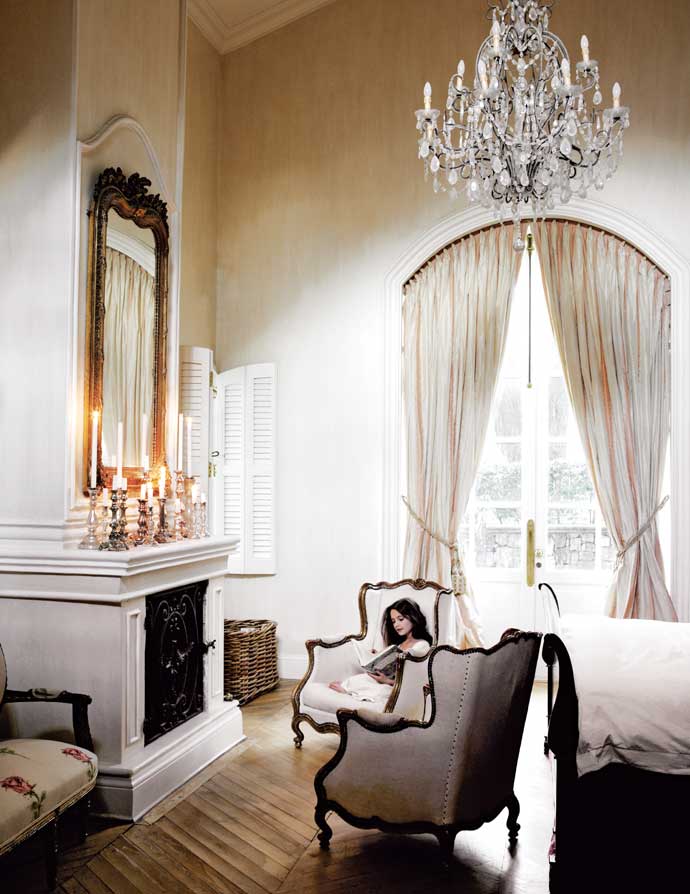
It strikes a balance. Parisian style can be polished and tailored, while country French is relaxed and rustic. Overall, it prioritizes comfort and livability. Even in elegant rooms, you’ll find cozy seating and personal touches.
What colors are typical in French interiors?
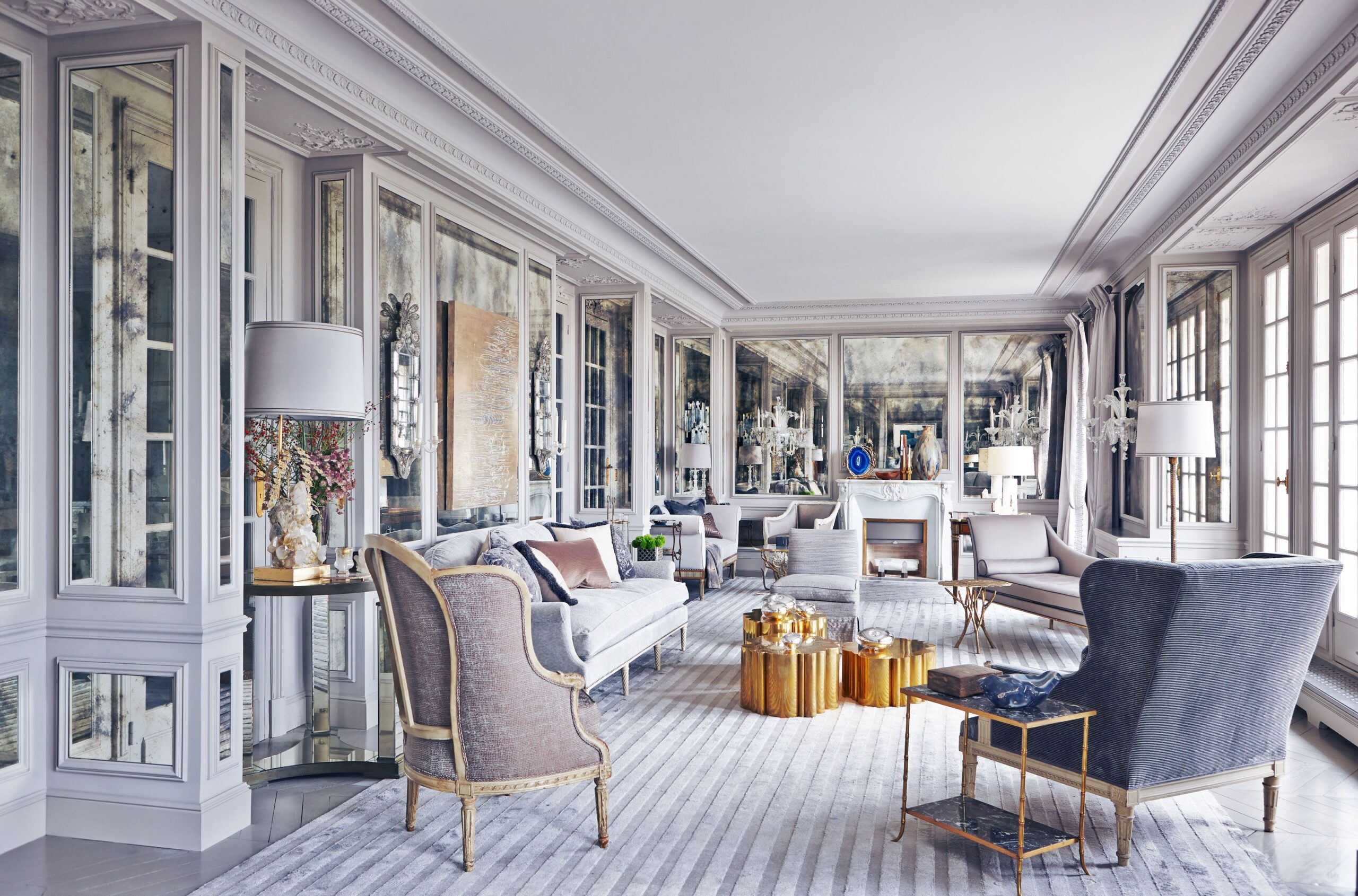
Soft neutrals like white, cream, beige, and gray form the base. Accent colors include lavender, pale blue, sage green, and dusty rose. These colors evoke a sense of calm and timelessness.
Can French interior design work in a small apartment?
Absolutely. Use light colors to make spaces feel larger. Choose multipurpose furniture like a storage ottoman or a drop-leaf table. Hang mirrors to reflect light. Scale down patterns and keep decor minimal to avoid overwhelming the space.
Embracing French interior design is about celebrating beauty in everyday life. By incorporating these ideas—from neutral palettes to natural accents—you can create a home that feels both elegant and inviting. Whether you live in a cottage or a city loft, the principles of French design can help you cultivate a space that is uniquely yours. Remember, the most important element is to make it personal. Bonne chance!