Open Kitchen Living Room Ideas: Blending Spaces for a Modern Home
Open kitchen living room layouts have become a staple in modern home design. By removing barriers between cooking, dining, and lounging areas, this concept fosters interaction, maximizes natural light, and creates a sense of spaciousness. Whether you’re renovating or building anew, blending these two zones requires thoughtful planning. Below, we explore creative ideas to help you craft a cohesive, practical, and beautiful open-concept space.
Why Choose an Open Kitchen Living Room?
The open floor plan appeals to both aesthetics and lifestyle. Without walls, families and guests can socialize while meals are prepared, making entertaining effortless. Natural light flows freely, reducing the need for artificial lighting. Additionally, the combined area feels larger, even in compact homes. According to interior designers, this layout also increases property value, as many buyers prioritize openness. However, the key to success lies in balancing functionality with visual harmony.
Key Design Principles for a Seamless Space
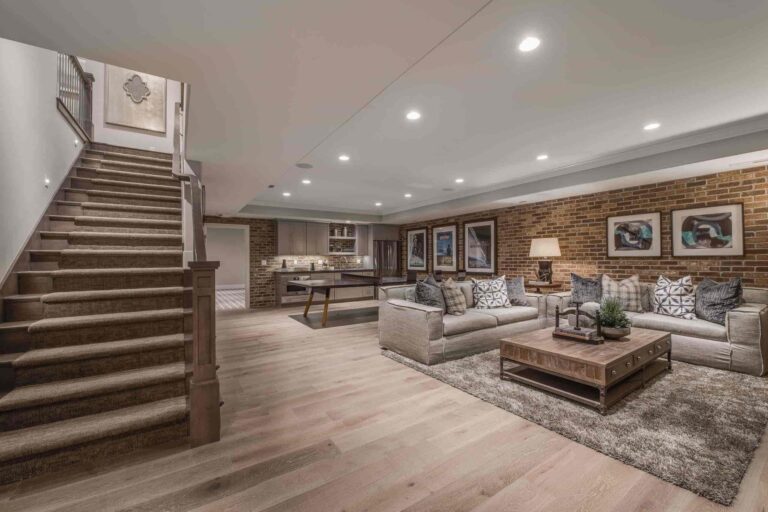
To avoid a disjointed look, establish a unified design language. Use consistent flooring throughout—engineered wood or large-format tiles work well. Maintain a cohesive color palette; neutral bases with accent colors in decor create flow. Lighting should be layered: ambient recessed lights, task lighting over kitchen counters, and statement pendants above an island or dining table. Also, consider sightlines—position the kitchen so that the cook faces the living area, not a wall.
Furniture and Layout Ideas
Furniture placement defines zones without walls. A kitchen island with bar seating acts as a natural divider and social hub. In the living area, a large sofa can face the kitchen, or use a console table behind the sofa to separate spaces. For small homes, consider a peninsula instead of an island. Modular furniture offers flexibility: rolling carts or lightweight chairs can be rearranged. Remember to leave clear walkways—at least 36 inches for traffic flow.
Color Schemes and Lighting
Color sets the mood. Light hues like white, beige, or soft gray make the space airy. Add warmth with wood tones or earthy greens. Use color to distinguish zones: a bold backsplash in the kitchen, rich paint in the living area. Lighting should be adjustable. Install dimmers to transition from bright task lighting to cozy evening ambiance. Under-cabinet lights highlight countertops, while floor lamps in the living area create intimate corners.
Storage Solutions for Clutter-Free Living
In an open plan, mess in the kitchen is visible from the sofa. Smart storage is essential. Use full-height cabinets to hide appliances and pantry items. Open shelving can display attractive dishes, but keep it minimal. Incorporate multi-functional furniture like ottomans with storage or a sideboard that serves as a buffet. A kitchen island with drawers and cabinets adds concealed storage. For living areas, media consoles with closed compartments keep electronics tidy.
Decor and Personalization
Bring personality through textiles, art, and accessories. Rugs can define the living area while adding texture—choose a low-pile rug for easy cleaning near the kitchen. Artwork and mirrors on shared walls tie the zones together. Plants soften hard edges and improve air quality. Avoid overcrowding; curate a few statement pieces rather than many small items. Coordinated throw pillows and kitchen towels can subtly link the spaces.
Balancing Privacy and Noise Control
Open plans can be noisy. Incorporate sound-absorbing materials: area rugs, upholstered furniture, curtains, and acoustic panels disguised as wall art. If privacy is needed for cooking, consider a partial wall or sliding partition. A half-wall with a breakfast bar offers separation while maintaining openness. Larger homes might use a double-sided fireplace as a visual divider. Ultimately, design for your lifestyle—if you love entertaining, prioritize flow; if you need quiet, add strategic barriers.
Frequently Asked Questions (FAQ)
- What are the main benefits of an open kitchen living room? It enhances social interaction, increases natural light, makes small spaces feel larger, and can boost property value.
- How do I define different zones in an open layout? Use area rugs, furniture placement (e.g., sofa backs, islands), lighting fixtures, and changes in wall color or texture to mark zones.
- What flooring works best for open kitchen living rooms? Durable, water-resistant materials like luxury vinyl plank, tile, or engineered hardwood are ideal. Consistent flooring throughout creates unity.
- Can I have an open kitchen with a small space? Yes. Opt for a galley or L-shaped kitchen with a slim island or peninsula. Use multipurpose furniture and vertical storage to maximize space.
- How to reduce cooking smells in an open plan? Install a powerful range hood vented to the outside, use air purifiers, and keep windows open when possible. Choose low-odor cooking methods occasionally.
An open kitchen living room is more than a trend—it’s a lifestyle choice that promotes connection and fluidity. By thoughtfully integrating design elements, you can create a space that feels both expansive and intimate. Start with a clear vision, prioritize function, and let your personal style shine through. With these ideas, your home will become a welcoming haven for everyday living and entertaining.