Bangladesh, a small yet vibrant country located in South Asia, is a land of rich history, diverse culture, and stunning natural beauty. Bordered by India to the west, north, and east, Myanmar to the southeast, and the Bay of Bengal to the south, it occupies a unique geographical position that plays a significant role in its cultural and historical identity. In this article, we will explore key landmarks and regions of Bangladesh, providing insights into their significance and contributions to the country’s heritage.
The Geographic Landscape of Bangladesh

Bangladesh covers an area of approximately 147,570 square kilometers and is predominantly a low-lying deltaic region formed by the confluence of several major rivers, including the Ganges, Brahmaputra, and Meghna. The country’s geographical features can be categorized into distinct regions:
- The Ganges Delta: This region is characterized by fertile plains and is crucial for agriculture, making Bangladesh one of the world’s leading rice producers.
- The Hill Tracts: Located in the southeastern part of the country, this area is known for its lush green hills and diverse tribal communities.
- The Sundarbans: Home to the largest mangrove forest in the world, this UNESCO World Heritage site is vital for biodiversity and is famous for its Royal Bengal Tigers.
- Urban Centers: Major cities like Dhaka, Chittagong, and Khulna serve as cultural and economic hubs, with Dhaka being the capital and the largest city.
Historical Landmarks: Windows to the Past

Bangladesh boasts a rich tapestry of historical landmarks that reflect its tumultuous past and cultural evolution. Here are some of the most notable sites:
- Somapura Mahavihara: Located in Paharpur, this UNESCO World Heritage site is one of the most important archaeological sites in South Asia. Dating back to the 8th century, it was a significant center of Buddhism and features stunning terracotta sculptures.
- Lalbagh Fort: This 17th-century Mughal fort in Dhaka is a symbol of the city’s historical significance. It remains unfinished but is a popular tourist destination due to its beautiful gardens and museum.
- Jatiyo Sangsad Bhaban: Designed by the renowned architect Louis Kahn, this national parliament house in Dhaka is an architectural marvel and is considered one of the largest legislative complexes in the world.
- Star Mosque: This mosque in Dhaka is famous for its stunning star-patterned mosaics and is a beautiful example of Indo-Islamic architecture.
Natural Wonders: The Beauty of Bangladesh

Beyond its historical landmarks, Bangladesh is home to breathtaking natural landscapes that attract both local and international visitors:
- The Sundarbans: As mentioned earlier, this mangrove forest is not only a UNESCO World Heritage site but also a critical habitat for various species, including the endangered Bengal tiger. It spans over 10,000 square kilometers and is a vital ecological zone.
- Rohingya Refugee Crisis: The Cox’s Bazar region is home to the longest natural sea beach in the world, stretching over 120 kilometers. It has also been in the spotlight due to the influx of Rohingya refugees from Myanmar, leading to significant humanitarian efforts.
- Srimangal: Known as the tea capital of Bangladesh, Srimangal is famous for its lush tea gardens and is a perfect destination for nature lovers and those wanting to experience rural life.
Urban Landmarks: The Pulse of Modern Bangladesh

Bangladesh’s urban centers are thriving with modern landmarks that reflect its rapid economic development and modernization:
- Dhaka: The capital city is a bustling metropolis with a rich history. Key landmarks include the National Museum, Liberation War Museum, and the vibrant markets of Old Dhaka.
- Chittagong Port: As the busiest seaport in Bangladesh, Chittagong is crucial for international trade and is surrounded by scenic hills and beaches, including Patenga Beach.
- Bangabandhu Sheikh Mujibur Rahman Agricultural University: This university in Gazipur is a leading institution for agricultural research and education, named after the founding father of Bangladesh.
Regional Diversity: The Cultural Mosaic of Bangladesh
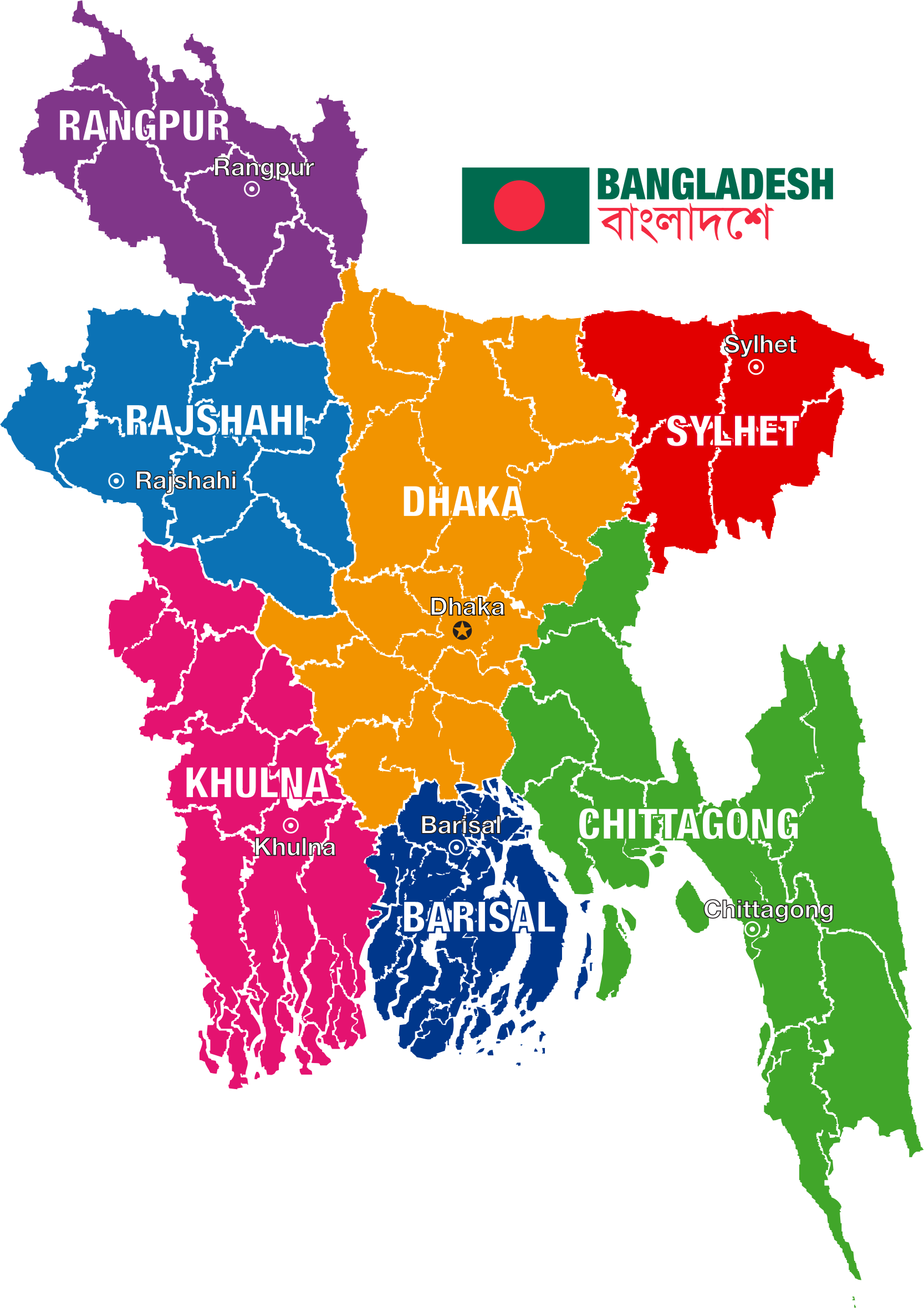
Bangladesh is not just defined by its landmarks but also by the diverse cultures that thrive in its various regions. Each area has its unique traditions, languages, and cuisines:
- Dhaka Division: Known for its vibrant culture and economic activities, Dhaka is a melting pot of different ethnicities and traditions. The traditional cuisine, including biryani and pitha, is a must-try.
- Chittagong Hill Tracts: This region is home to indigenous communities with distinct languages and cultural practices. The unique handicrafts and traditional music are worth exploring.
- Rajshahi Division: Famous for silk and mangoes, Rajshahi has a rich historical background, with landmarks like Puthia Temple Complex and the Varendra Research Museum.
Statistics and Economic Impact
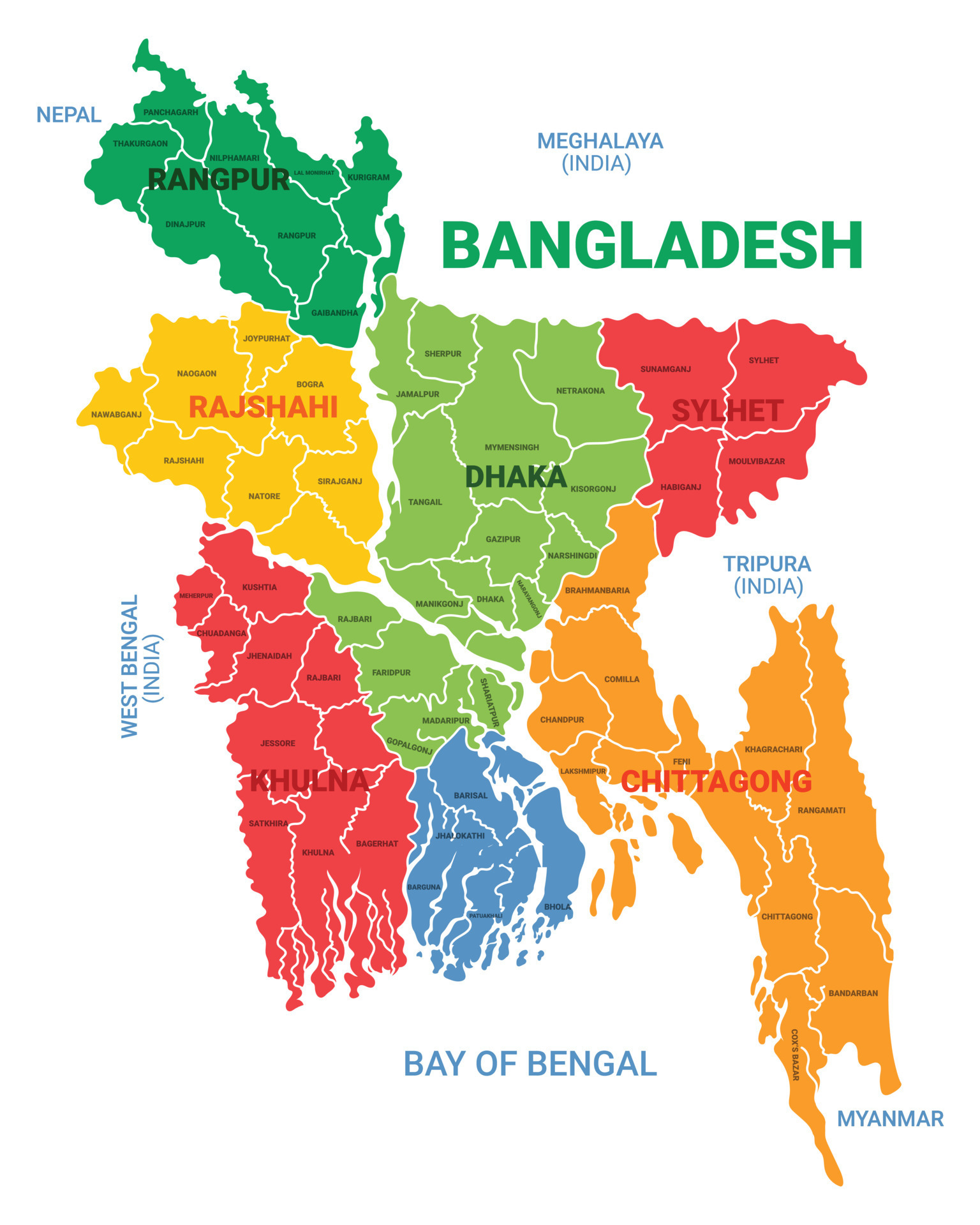
The landmarks and regions of Bangladesh are not only of historical and cultural significance but also contribute substantially to the country’s economy:
- Tourism: In 2019, Bangladesh recorded approximately 1.5 million international tourists, with significant contributions from heritage and eco-tourism.
- Agriculture: The Sundarbans and the fertile plains of the Ganges Delta support a significant portion of the population engaged in agriculture, contributing about 14% to the national GDP.
- Textile Industry: Urban centers like Dhaka and Chittagong are pivotal for the textile and garment industry, which accounts for over 80% of the country’s total exports.
Bangladesh is a country that blends historical richness with natural beauty and modern urban development. Its key landmarks and regions tell a story of resilience, culture, and diversity. From the ancient ruins of Paharpur to the bustling streets of Dhaka, each site offers a glimpse into the soul of the nation. Understanding these landmarks not only enhances our appreciation of Bangladesh’s heritage but also highlights the importance of preserving these treasures for future generations. As Bangladesh continues to evolve, its landmarks will remain crucial in shaping its identity on the global stage.