The portrayal of female superheroes in film has undergone a significant transformation over the past few decades. From the early days of cinema, where women often played secondary roles, to the present, where they are at the forefront of blockbuster franchises, the evolution is remarkable. One of the key figures in this evolution is Jessica Alba, an actress who became synonymous with the modern depiction of female superheroes in the early 2000s. This article delves into Alba’s career, the broader trends in female superhero representation, and the implications for the future of women in action films.
Jessica Alba: A New Face in the Superhero Genre
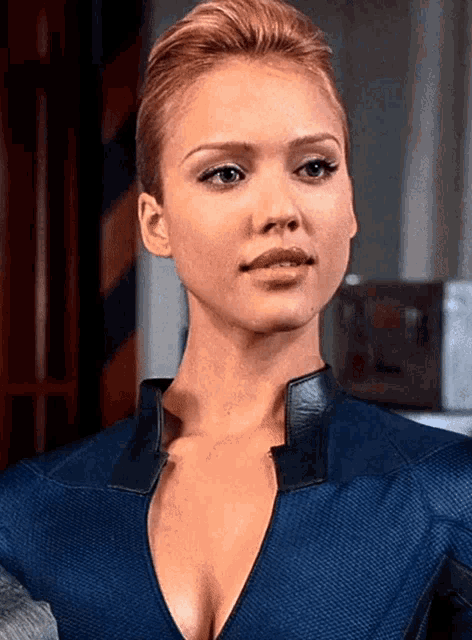
Jessica Alba first gained prominence in the early 2000s with her role as the titular character in “Dark Angel,” a television series created by James Cameron. The show was notable for its strong female lead, showcasing Alba as a genetically enhanced super-soldier. This role laid the groundwork for Alba’s subsequent foray into film, particularly in the superhero genre.
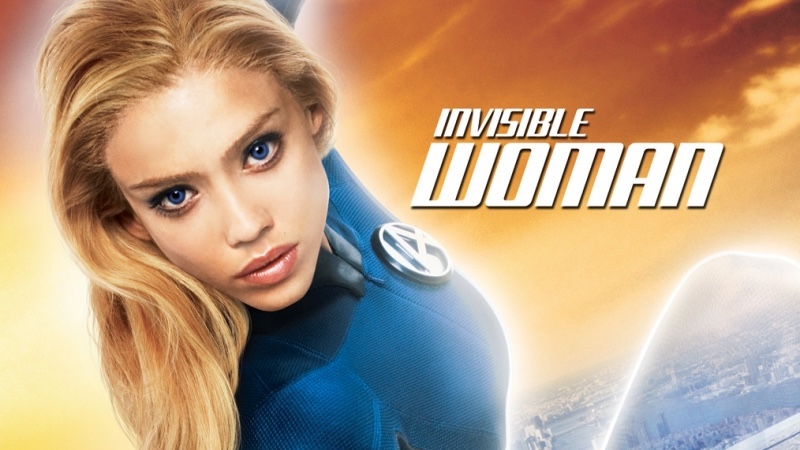
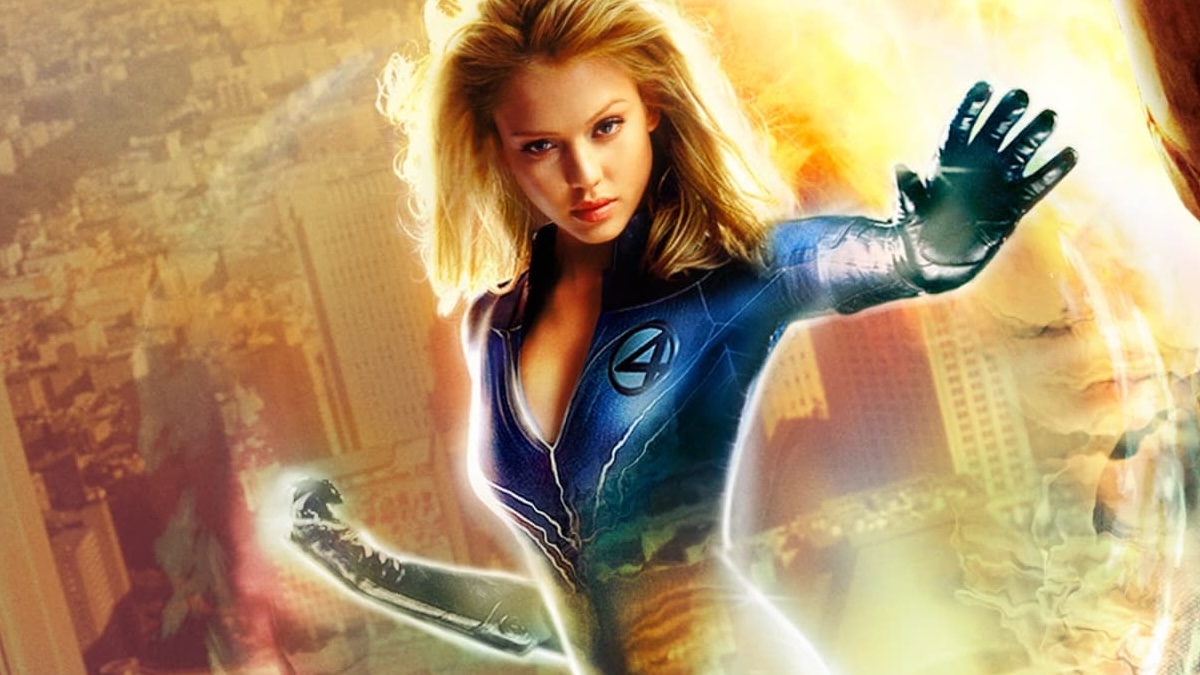
Alba’s breakthrough came when she starred as Sue Storm, also known as the Invisible Woman, in “Fantastic Four” (2005) and its sequel, “Fantastic Four: Rise of the Silver Surfer” (2007). Her portrayal of Sue Storm was groundbreaking for a number of reasons:
- Strong Female Lead: Unlike many female characters in superhero films of the past, Sue Storm was not merely a sidekick or love interest. She was integral to the team’s dynamic and often took the lead in critical situations.
- Complex Characterization: Alba’s portrayal added depth to Sue Storm, showcasing her vulnerabilities, strengths, and personal struggles, making her relatable to audiences.
- Visual Representation: Alba’s casting brought diversity to the superhero genre at a time when many lead roles were dominated by white actors.
Historical Context: Female Superheroes in Film
The representation of female superheroes in film has historically been lackluster. Early portrayals often relegated women to supporting roles or emphasized their sexuality over their strength. For example:
- Wonder Woman (1975): Lynda Carter’s portrayal of Wonder Woman was iconic but often leaned into campiness and stereotypical gender roles.
- Catwoman (2004): Halle Berry’s Catwoman faced criticism for its poor script and character development, which undermined her potential as a strong female lead.
However, as societal norms shifted in the late 20th and early 21st centuries, filmmakers began to recognize the importance of strong female characters. This shift coincided with the rising popularity of superhero films, particularly with the success of the Marvel Cinematic Universe (MCU) and various DC adaptations.
Breaking Barriers: The Rise of Strong Female Superheroes
Jessica Alba’s contributions to the genre are part of a larger trend towards the empowerment of female superheroes in film. This evolution can be broken down into several key phases:
1. The Early 2000s: Establishing a Footing
In the wake of “Dark Angel” and “Fantastic Four,” other films began to feature female superheroes prominently. Notable examples include:
- Electra (2005): While not critically acclaimed, the film attempted to center a female character in a traditionally male-dominated genre.
- Catwoman (2004): Despite its flaws, it marked a significant attempt to bring a female character to the forefront.
2. The 2010s: Embracing Complexity

The 2010s saw an explosion of female superhero films and characters that were not just sidekicks or love interests. Films like:
- Wonder Woman (2017): Directed by Patty Jenkins, this film was a critical and commercial success, proving that female-led superhero films could thrive.
- Black Panther (2018): Featuring strong female characters like Nakia and Okoye, the film showcased women in powerful roles within a superhero narrative.
3. The Present and Beyond: A New Era
Recent films have continued to break barriers with female leads and complex storytelling. Notable releases include:
- Captain Marvel (2019): Brie Larson’s portrayal of Carol Danvers was a significant step forward, grossing over $1 billion worldwide.
- Birds of Prey (2020): This film showcased a diverse cast of female characters, reinforcing the idea that female-led superhero narratives can be both commercially successful and critically acclaimed.
The Impact of Female Superheroes on Pop Culture

The rise of female superheroes in film has not only changed the landscape of the superhero genre but has also had a profound impact on pop culture. Here are some of the key effects:
- Inspiration for Young Girls: Female superheroes serve as role models, encouraging young girls to aspire for greatness and challenging gender stereotypes.
- Diversity and Representation: The inclusion of diverse female characters has led to broader discussions about representation in Hollywood and the importance of telling varied stories.
- Shifting Narratives: Female superheroes often bring different perspectives to traditional narratives, allowing for more complex storytelling that appeals to a wider audience.
Challenges and Criticisms
Despite the progress made, challenges remain in the portrayal of female superheroes. While some films have succeeded, others have faced criticism for:
- Over-sexualization: Many female superheroes are still portrayed in ways that prioritize their physical appearance over their abilities.
- Limited Development: Some films still struggle to provide female characters with the depth and agency that male characters enjoy.
- Typecasting: Actresses may find themselves pigeonholed into specific roles, limiting their opportunities to explore diverse characters.
The Future of Female Superheroes in Film

The future of female superheroes in film looks promising, with several upcoming projects that aim to further develop female-led narratives:
- Wonder Woman 1984 (2020): Continuing the story of Diana Prince, this sequel builds on the success of its predecessor.
- Ms. Marvel (2022): This upcoming series on Disney+ will introduce Kamala Khan, a Pakistani-American teenager who becomes a superhero.
- Batgirl (TBA): This film is set to bring Barbara Gordon to the forefront, expanding the DC Universe’s representation of female characters.
Jessica Alba’s impact on the superhero genre cannot be overstated; she played a crucial role in introducing complex and strong female characters in a realm traditionally dominated by men. The evolution of female superheroes in film reflects broader societal changes, as audiences increasingly demand diverse and empowering narratives. While challenges remain, the future looks bright for female superheroes, with a growing recognition of their importance in popular culture. As we continue to see more stories that celebrate women in powerful roles, the hope is that they will inspire future generations and redefine what it means to be a hero.